











6 must-try train routes in 2026
Rachel Schnalzer and Hugo van Vondelen
18 December 2025

Helsinki's harbour
Earlier this year, on a trip to Helsinki, I paused for a moment and looked out across the slate blue waters of the Gulf of Finland. Somewhere out there, beyond my field of vision, was Tallinn and the rest of the Estonian coastline. Just knowing there was more to be discovered left me with a familiar feeling of restlessness — a longing to see more, to travel just a bit further, before returning home.
If you're already dreaming of where you’ll go in 2026, my colleague and train travel expert Hugo van Vondelen and I put together a list of our top six train routes to experience across Europe in the coming year. They'll take you from the southern shores of Spain to — you guessed it — Tallinn, the capital of Estonia, and across the Gulf of Finland into the Nordics.

Alexander Nevsky Cathedral in Tallinn

A close-up of the Serra de Estrela mountains
The Baltics and beyond
Why go: To see three countries on one epic train line (or four, if you count the ferry ride to Helsinki).
In depth: With newly improved connections and optimized timetables, it’s easier than ever for travellers to explore the beauty of the Baltics by rail. From Vilnius, the capital city of Lithuania, a single train line whisks travellers across three countries and through 26 destinations on the way to Tallinn, situated on the Gulf of Finland. The full route takes about 10 hours to complete, and we recommend taking your time and stopping for a few days in cities and towns such as Riga, Sigulda and Tartu along the way. Once you reach Tallinn, switch from train to ferry and travel across the Gulf of Finland to Helsinki — Passholders get a 20% discount on journeys aboard Tallink Silja Line ships.
An exciting preview: ELRON is expected to start a direct train linking Tallinn to Tartu and Riga in January 2026.
Northern Portugal’s Beira Alta line
Why go: To experience a less-touristed and strikingly scenic corner of Portugal.
In depth: There’s a new way to experience the rugged landscapes of northern Portugal. The Beira Alta line, which opened in October 2025, takes travellers from Pampilhosa do Botão, 15 minutes outside the university city of Coimbra, across the hills of Portugal’s not-often-touristed Beira Alta region, home to striking hilltop towns, Paleolitic art and the inspiring Serra de Estrela mountains. Switch trains in Guarda and end your adventure with a train ride to Vilar Formoso, a small town on the Spanish border.
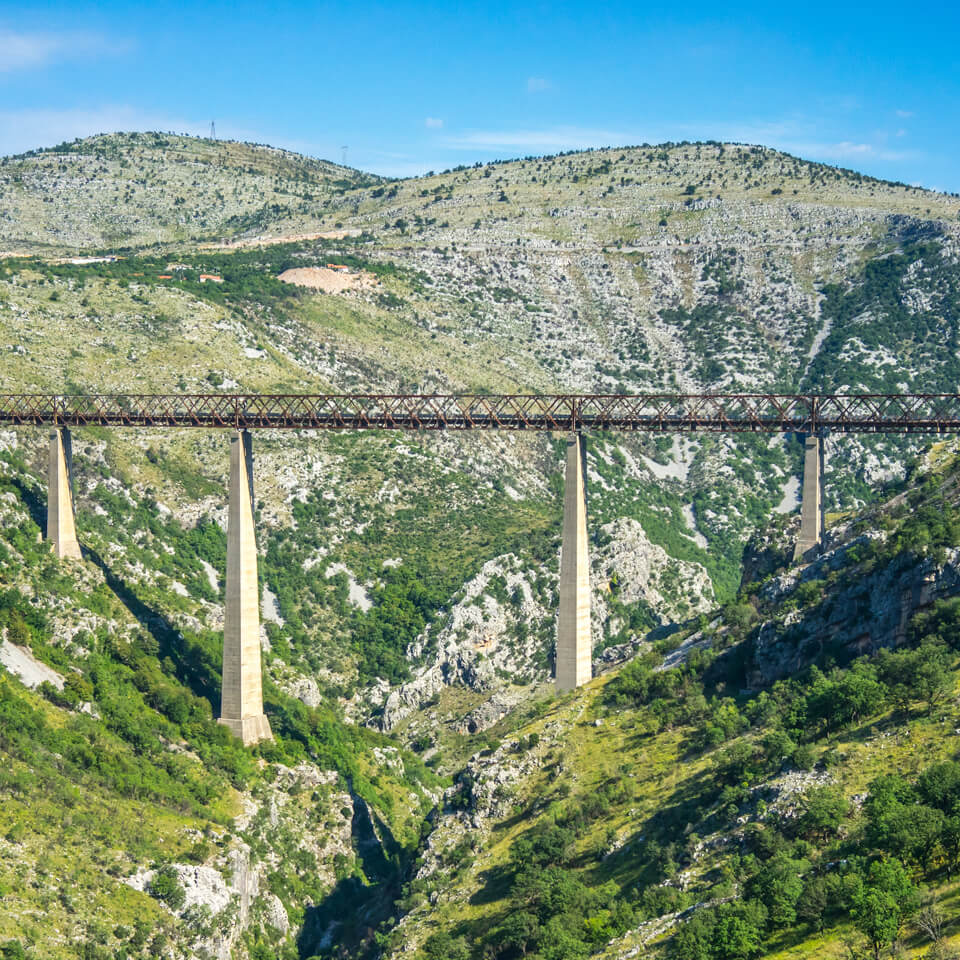
Mountain view along the Belgrade to Bar train route

The Hauptmarkt in Trier
See more of Serbia and Montenegro
Why go: To experience one of Europe’s most famous trains rides and get a glimpse of rail’s future, all in one trip.
In depth: Hop on board the new high-speed train from Subotica, on Serbia’s border with Hungary, and travel south across northern Serbia to Belgrade — a journey that now takes under 1.5 hours. After exploring Belgrade, journey south on the famous long-distance train to Bar, on Montenegro’s coastline. If you’re after scenery, take the day train (only possible during the summer) and treat yourself to mountain views; otherwise, book a bed or couchette on the night train and arrive in Bar rested and ready to continue your adventure.
An exciting preview: The Belgrade to Subotica high-speed line is expected to extend all the way to Budapest in 2026.
The Mosel and more by rail
Why go: To see one of Germany’s most beautiful regions by rail, newly possible after 2021 flooding.
In depth: In 2021, devastating flooding damaged Germany’s Eifel train line connecting Trier to Cologne. Four years later, the scenic regional line is back in action. Begin in Trier, at the southern end of the Mosel Wine Region and travel north through the lush forests and hillsides of western Germany. After three hours, your adventure will culminate in Cologne, a city known for its colossal cathedral (conveniently located right next to Cologne Hauptbahnhof) and always-exciting arts scene.

Colourful houses in Alicante

Digne-les-Bains
Go further in Spain
Why go: To see Spain’s highlights (as well as its lesser-visited gems)
In depth: Utilising the addition of Iryo trains to the Pass Network, make a semi-circle around Spain’s Mediterranean coastline, beginning by exploring the sun-soaked streets and beaches of Alicante. Then, take the train inland to Cuenca, known for its “hanging houses” over the Huecar River. From Cuenca, journey on to Madrid, the capital of Spain, and Zaragoza, home to a fascinating Old Town and enviable food scene. End your adventure back on the beach in Barcelona, taking in a seaside sunset.
Slow Travel in the south of France
Why go: To get an up-close look at the Mediterranean and Provence Alps in one stunning train trip.
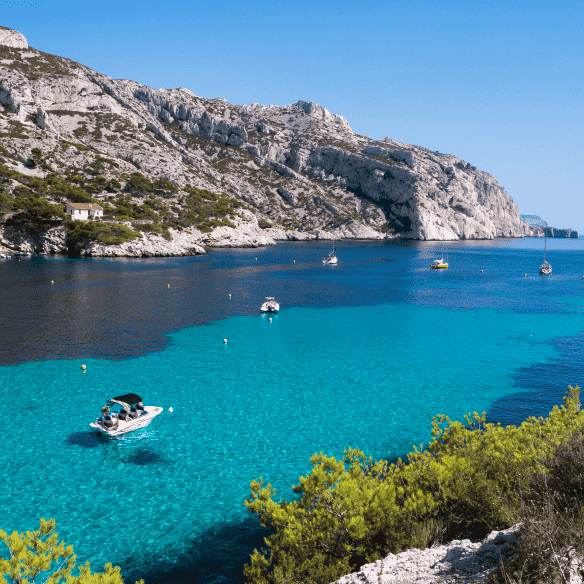
In depth: Speaking of the Mediterranean, there’s more good news for sun seekers. With the addition of a new regional train line to the Pass Network, travellers can now go from Marseille along the Mediterranean coast to Toulon and onwards to Nice with even more ease. After exploring the beaches of Nice, hop on the Chemins de Fer de Provence, which takes travellers from the coast into the heart of Provence. After weaving past the Préalpes d'Azur Regional Natural Park, you’ll arrive in Digne-les-Bains, where Provençal and Alpine cultures blend together in a small city known for its spas and scenery.





Change of currency
You cannot change the currency once you have a Pass in your cart. Remove the Pass, and then change the currency on the website header.